
Our Mission?
Locate leaks quickly, safely, and stress-free!
Get a Quote in Under 24 Hours!
Detecting Leaks Between Meter and Garden: Techniques and Procedure
An unexplained increase in water consumption or the appearance of damp spots in the garden may indicate an invisible leak between the meter and the house. At H2O Détection, we use advanced leak detection techniques for outdoor buried pipes. Our approach focuses on precision, responsiveness, and a rigorous methodology, serving both homeowners and professionals in the Alpes-Maritimes and Eastern Var.
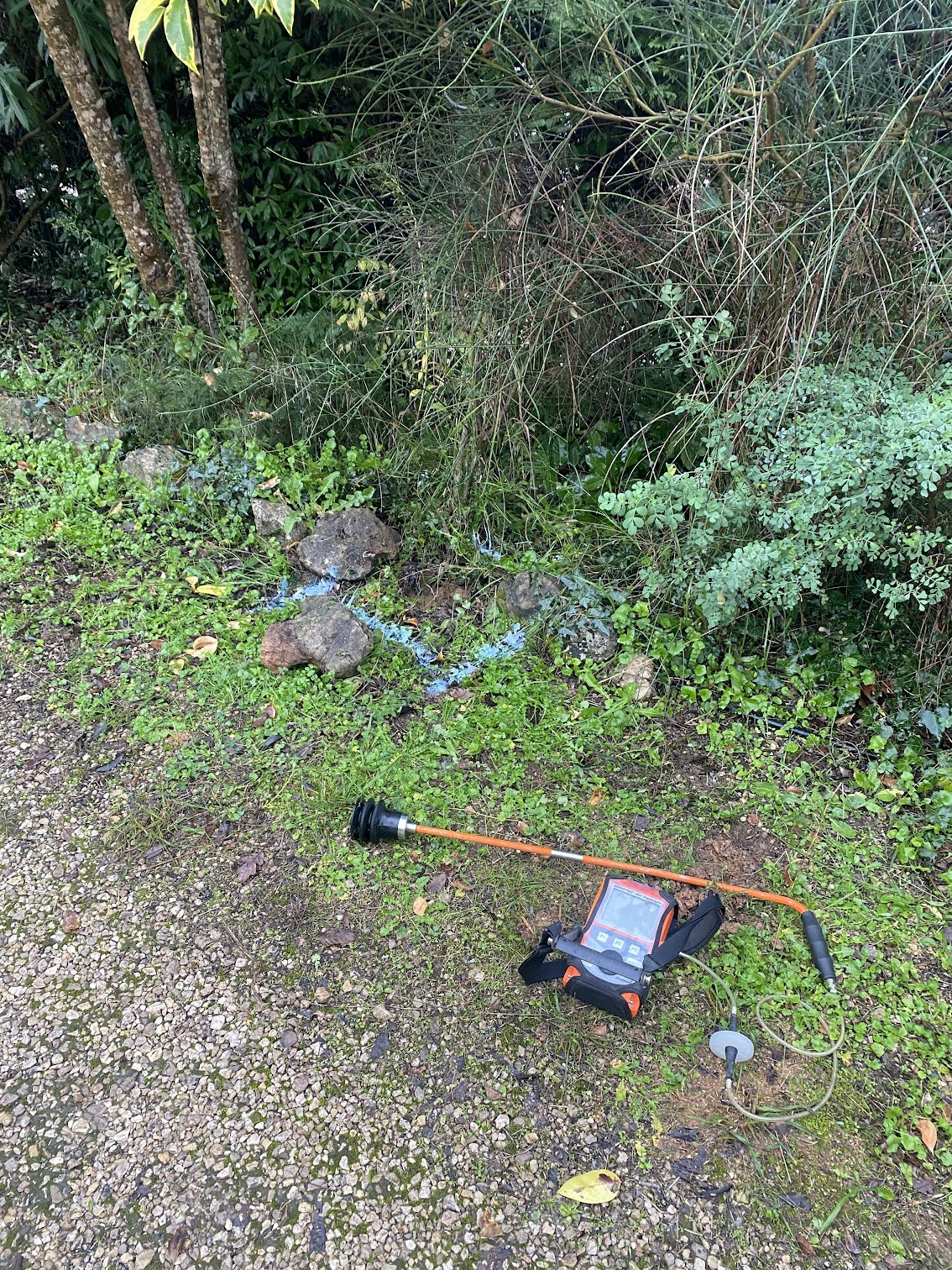
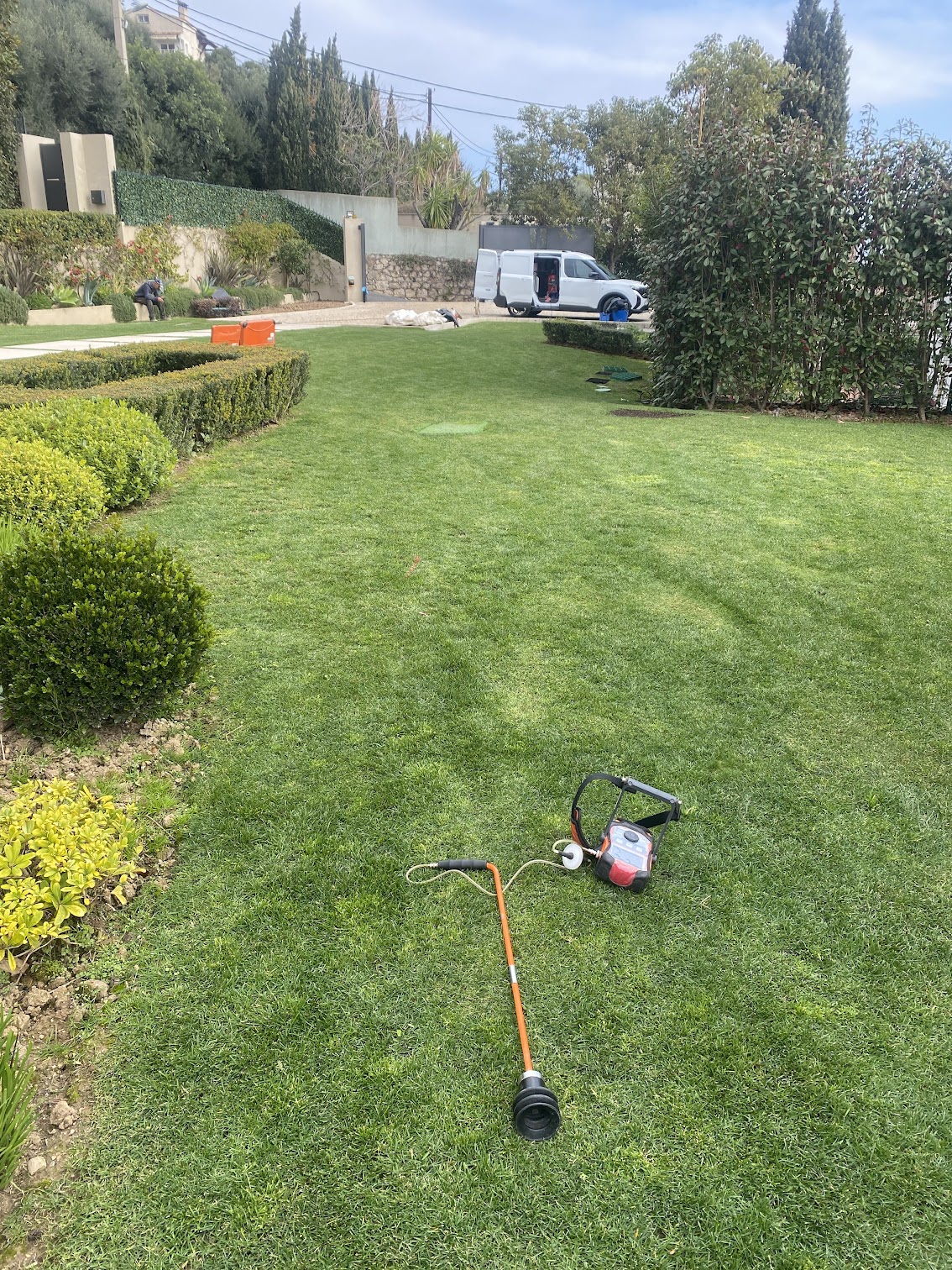
Warning Signs of a Water Leak Between Meter and Garden
Leaks in outdoor water networks are often difficult to detect from the surface. However, certain signs can help guide the diagnosis. A water meter that continues to run while all indoor usage is stopped is a major warning signal. Similarly, a persistently damp area in the garden, unusual greenish patches, or gradual ground settling may indicate a damaged pipe.
We recommend regular monitoring of your meter to quickly detect any anomalies. Careful review of water bills can also help identify unusual increases in consumption. If doubts persist despite these checks, we advise contacting our specialized team for a reliable and precise diagnosis.
How We Inspect and Prepare Before Leak Detection
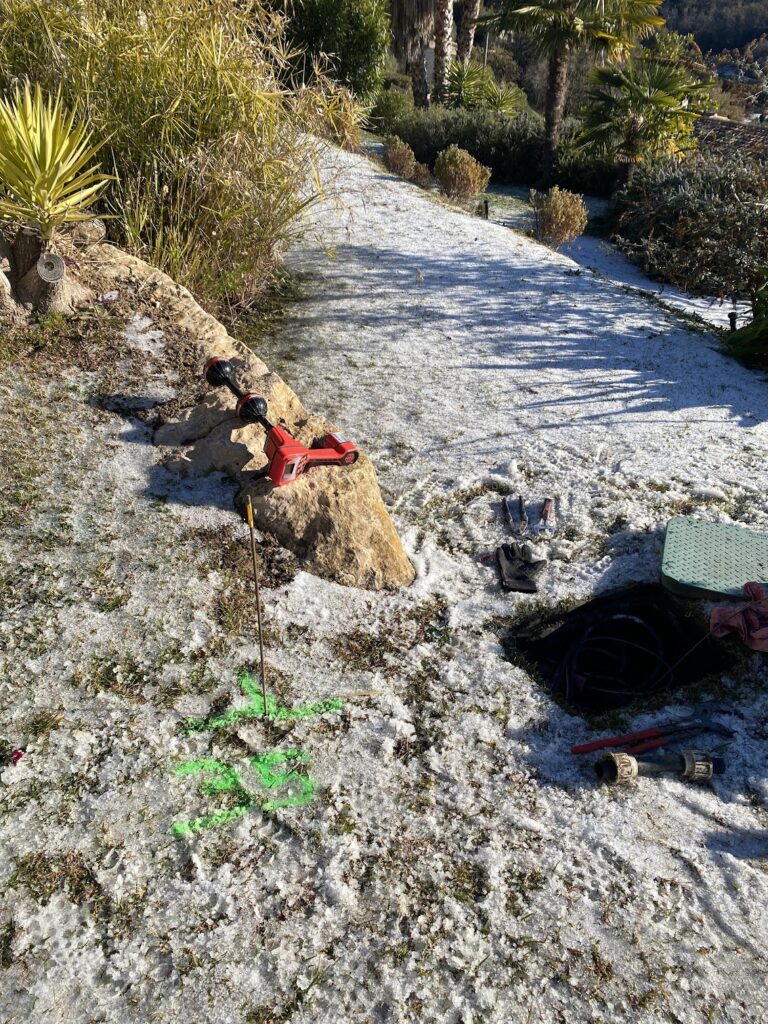
Our work always begins with a thorough inspection around the water meter and along the section between the external inspection point and the house. We assess the overall condition of the network, check the accessibility of manholes, and note any sensitive areas that could indicate a hidden leak. This preparatory phase effectively guides our investigation and helps us focus on priority areas.
We then carefully prepare the site to ensure a safe intervention. Organizing access to the garden and paths where the pipes are buried facilitates the installation of our specialized equipment and minimizes disruption during leak detection.
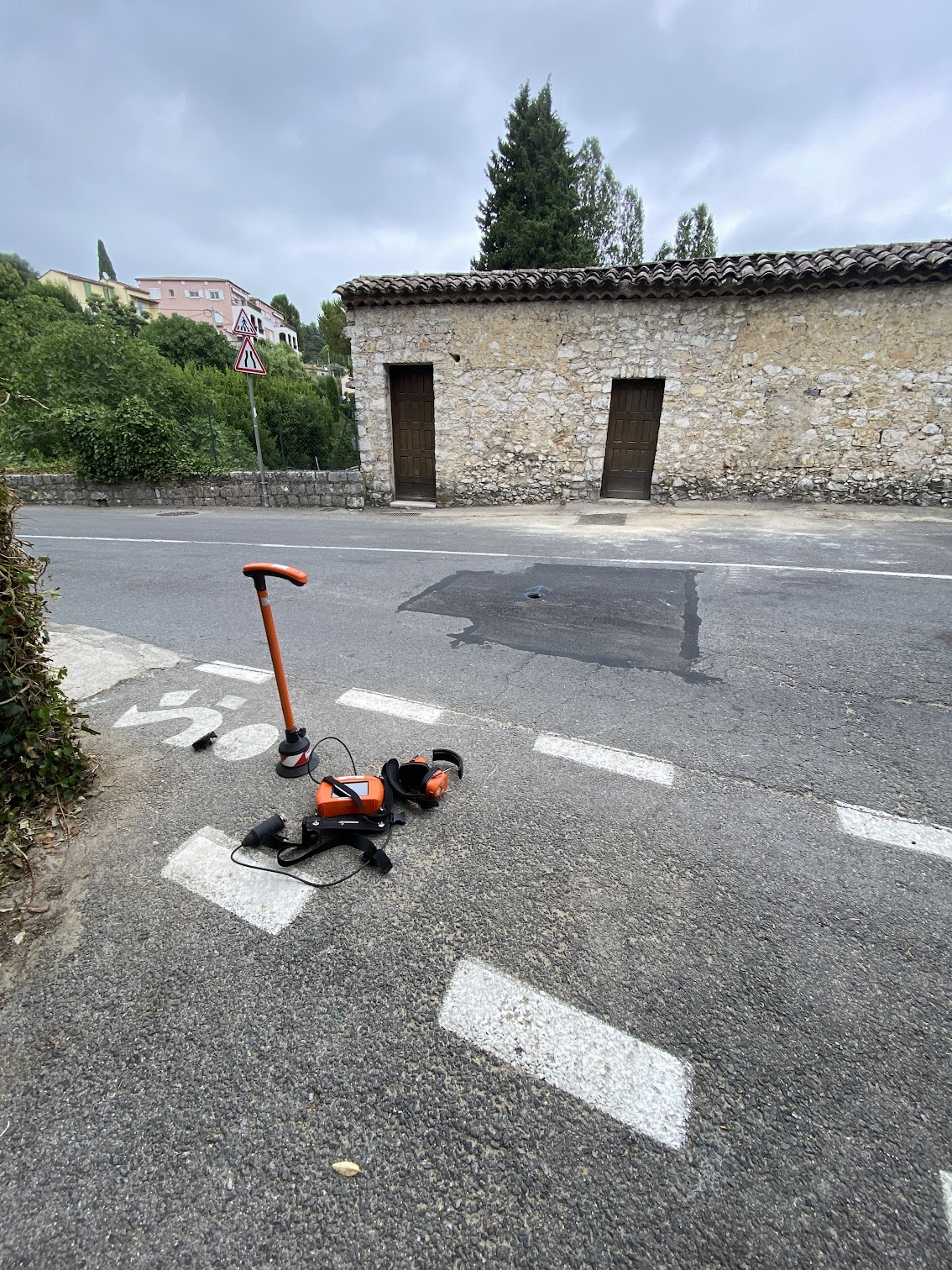
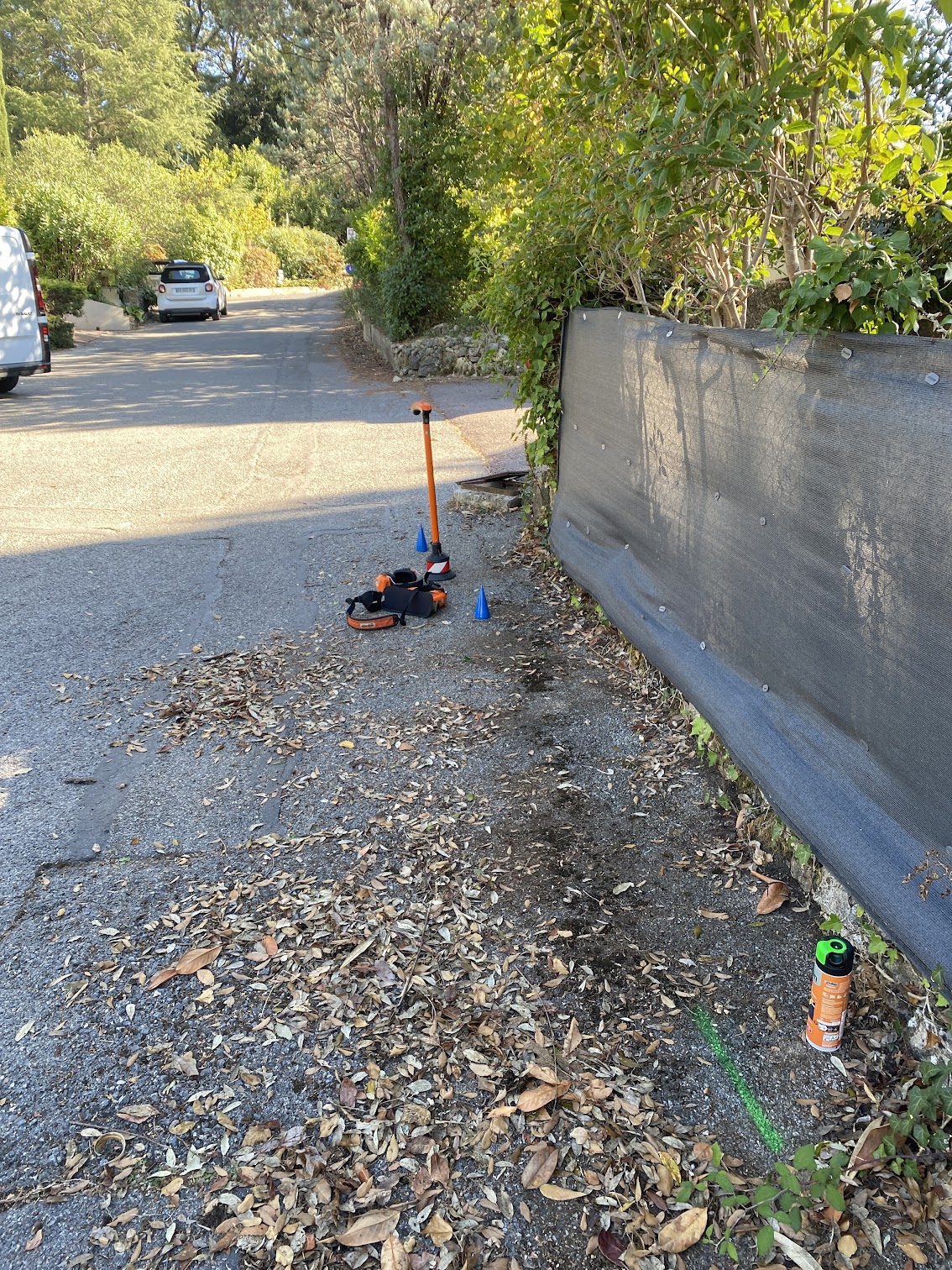
Techniques and equipment for detecting outdoor water leaks
- Electro-Acoustic Detection: listening for and pinpointing noises generated by a leak in pressurized pipes.
- Tracer Gas Injection: identifying the leak point by introducing a harmless gas into the pipeline under controlled conditions.
- Endoscopic Inspection: direct visual examination using a camera inserted into accessible pipes.
When Do We Use Tracer Gas?
Why Electro-Acoustic Detection Matters
After Detection: Repair Steps and Follow-Up
- Localized sealing
- Targeted pipeline repair
- Partial section replacement
FAQ – Frequently Asked Questions About Meter and Garden Leak Detection
What initial steps should be taken if a leak is suspected between the meter and the house?
Which methods do we prioritize for detecting leaks in the garden?
We prioritize electro-acoustic detection to identify the characteristic signals of a leak in buried pipes. The use of tracer gas effectively complements this approach, allowing us to locate defects even in compact soils or areas covered with dense vegetation.
The combination of these methods ensures a non-destructive intervention and minimizes the duration of repairs.
How long does a typical outdoor network leak detection intervention take?
Does intervention on buried garden pipes require major excavation work?
Our detection methods rely on non-destructive techniques. Excavation is only considered after the leak has been precisely located. We always limit the area of opening to the strict minimum required to repair or replace the affected section.
This approach greatly reduces the impact on the outdoor layout. It is never necessary to redo the entire network or completely alter the garden during a targeted repair.

