At H2O Detection, we assist our clients in the precise identification of invisible networks located underground. Buried network detection is an essential step for any development project or intervention on public or private land. Mastering this process helps minimize costly damage risks and enhances site safety.
Our Mission:
Detecting Buried Networks
Contact us !
Receive Your Quote Within 24 Hours!
Rapid Intervention
Advanced Technology
Non-Destructive

Free quote
Why Conduct Buried Network Detection?
Locating networks allows for the precise identification of pipes, cables, or conduits before any excavation or start of work. Our interventions help prevent accidents, avoid disruption of essential services, and ensure the safety of teams on site.
Buried network detection is a critical step in any infrastructure project, whether dealing with metallic or non-metallic networks.
Knowing the exact location of networks also optimizes the management of future interventions and helps ensure the reliability of existing assets. By performing precise surveys accompanied by topographic mapping, we facilitate network cartography. This mapping serves as a foundation for maintenance or development operations, minimizing the need for destructive investigations.
Methods for Detecting Buried Networks
We use various detection methods and specialized equipment to achieve the level of precision required in our field. With tools adapted to the technical context of each site, every type of network—metallic, plastic, or composite—receives a tailored solution.
Adopting the right methodology involves considering the nature of the materials, the terrain configuration, and the overall environment of the area being studied. A detailed diagnosis, combined with the diversity of our equipment, ensures the reliability of the collected data.
Radio Detection and Its Applications
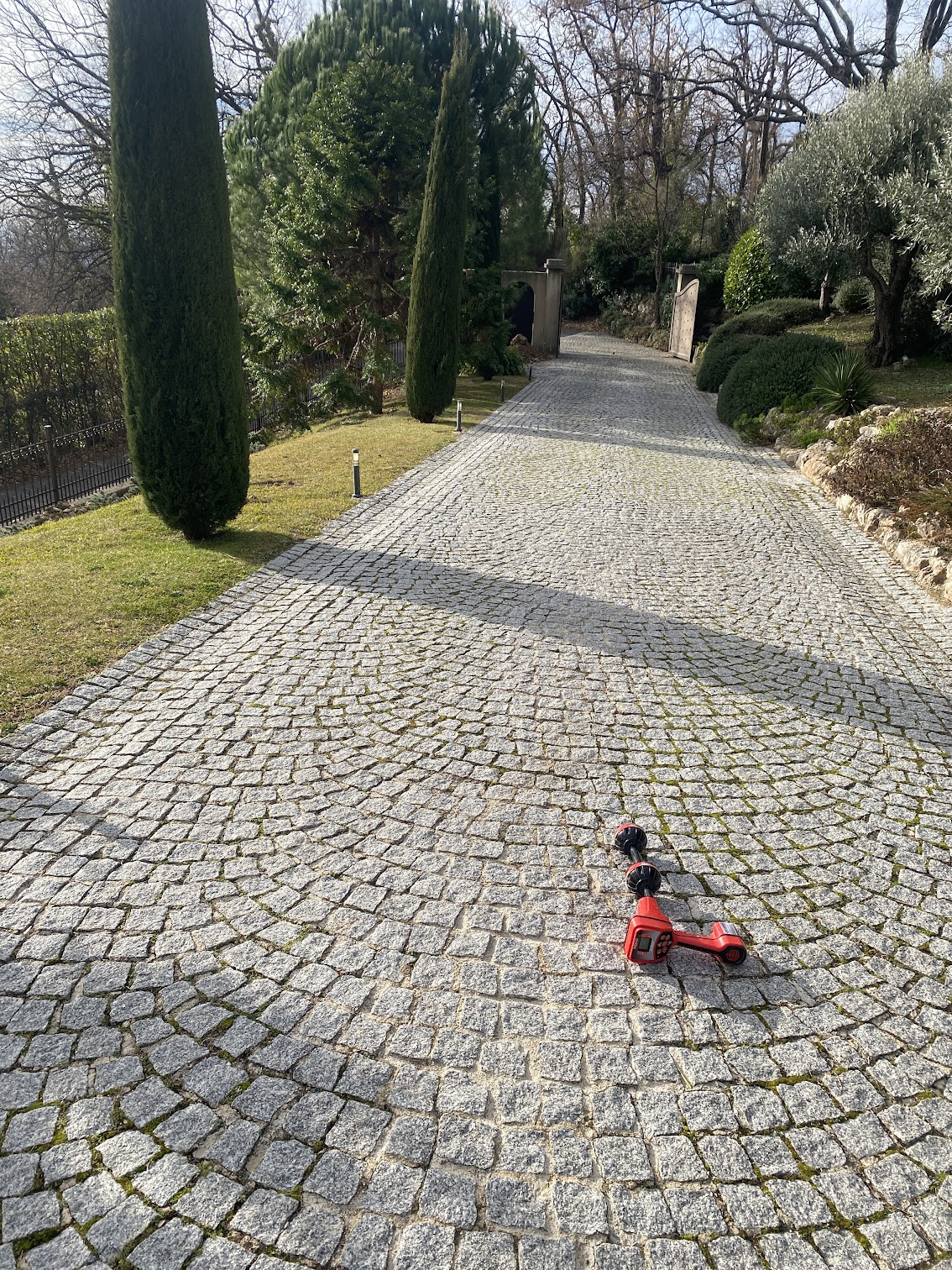
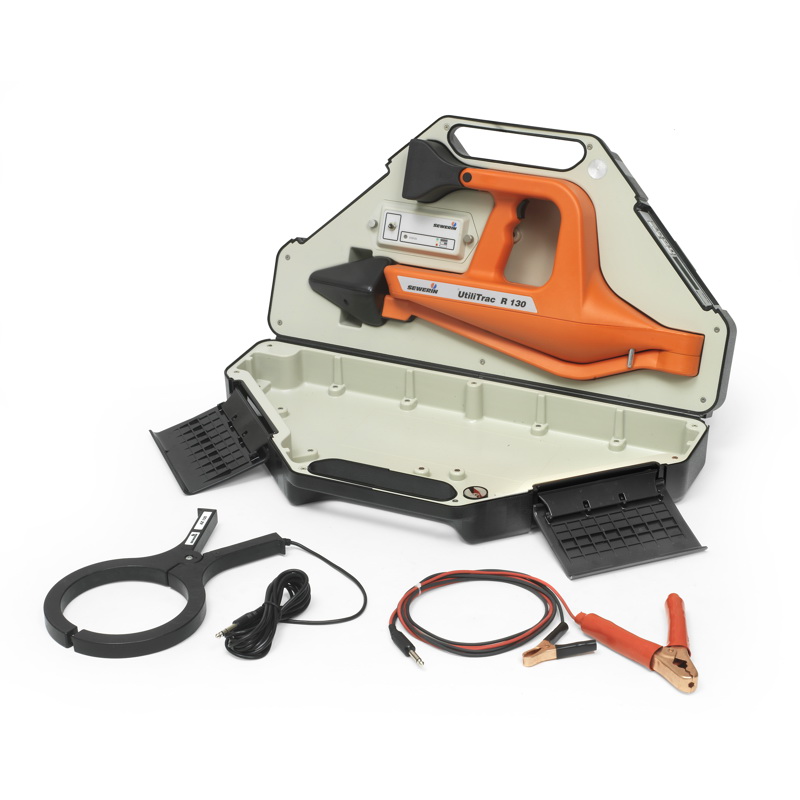
For metallic and conductive networks, we prioritize radio detection, which delivers excellent results. This method relies on emitting a signal from the surface to the network; the device then captures the electromagnetic response, allowing the precise mapping of the cable or pipeline’s location and depth.
This technology provides great flexibility in diagnostics, particularly for validating existing layouts or checking intersections between multiple networks. By combining ground-penetrating radar with radio detection, we significantly increase the detection rate on complex or urban sites.
Our services include:
- Precise location of networks before any work
- Prevention of outages or accidents related to excavation
- Expertise tailored to different materials (metallic and non-metallic networks)
Expertise and Reliability Process
Our work goes beyond simple detection. We focus on a comprehensive analysis, from the initial survey to final on-site validation. This approach enhances the reliability of the installations and minimizes operational risks during excavation or site preparation.
Each project results in a detailed report, including precise mapping and recorded depths.
By emphasizing damage prevention, we help secure every stage of projects, whether for private owners, property managers, or construction professionals. All our procedures aim to strengthen safety and optimize site preparation.
Tailoring Equipment and Methods to Site Conditions
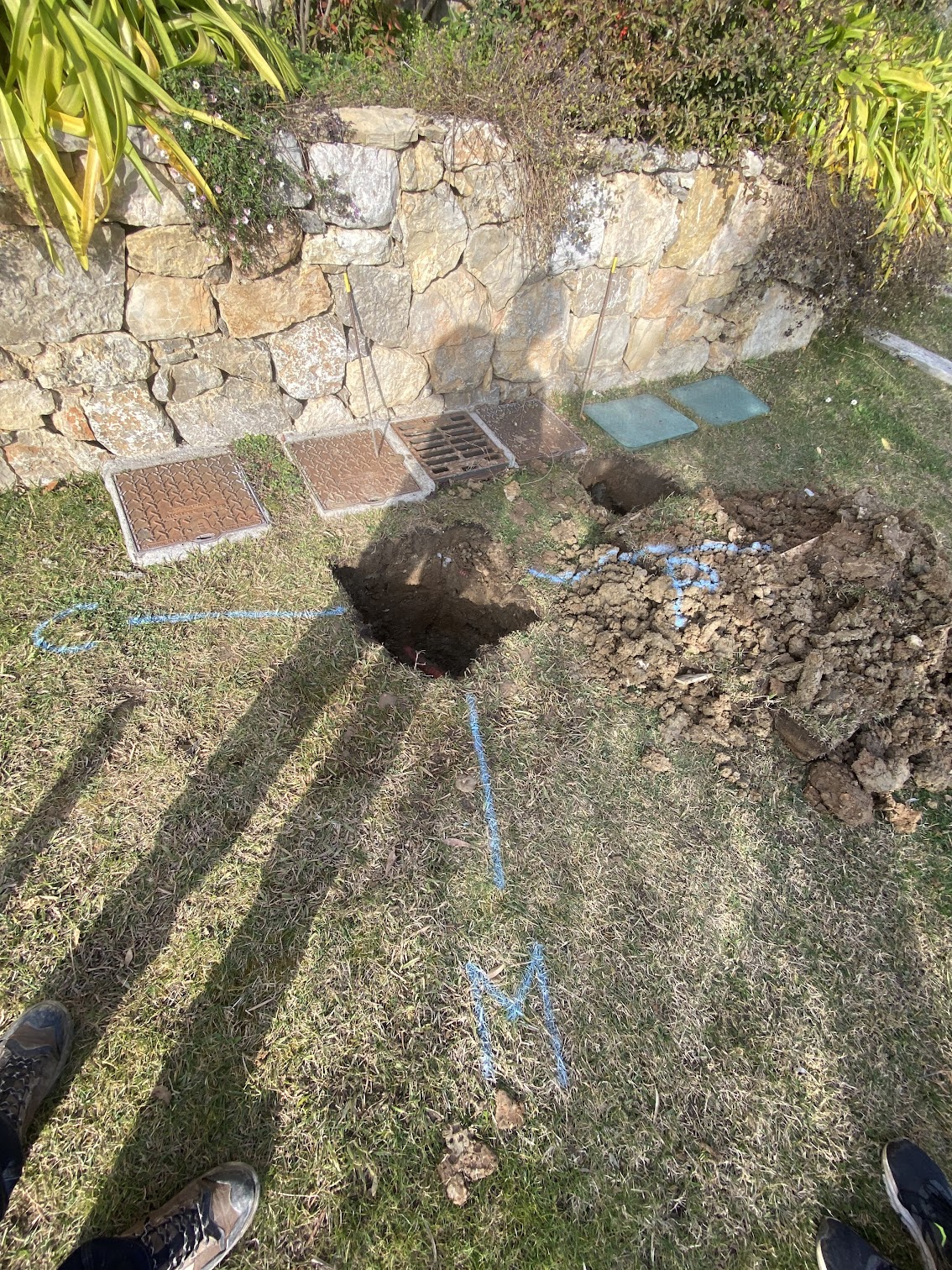
Given the diversity of terrains and operational contexts, we select the detection and location techniques best suited to each situation. Our dedicated fleet of equipment—multi-frequency locators and temporary marking systems—meets this performance requirement.
We also offer equipment rental, allowing partner companies to benefit from reliable solutions during their own survey or occasional verification campaigns.
FAQ – Buried Network Detection
What are the differences between metallic and non-metallic network detection?
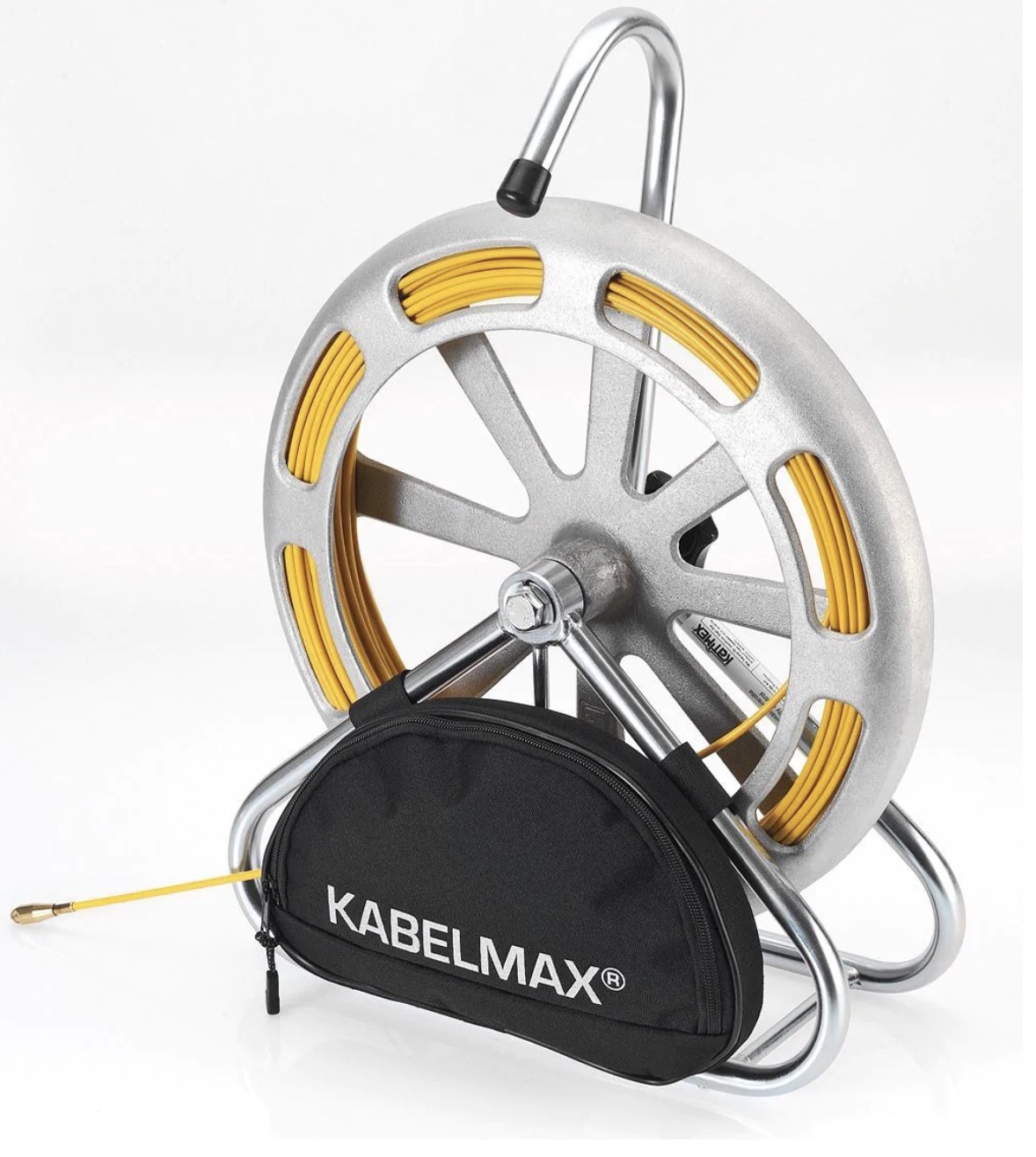
For metallic networks, we primarily use radio detection, as these materials conduct the electrical signal. For non-metallic networks, such as certain plastic pipes, we insert a locator probe to transmit an electrical signal.
The combination of these two approaches allows us to ensure complete coverage, regardless of the material of the buried network.
When should you schedule a network location service?
We recommend locating networks before starting any work that could affect the subsoil, such as excavations, trenches, or drilling. Conducting a detection campaign in advance allows for an up-to-date mapping and helps prevent misinterpretation or incidents.
We advise scheduling this intervention during the preparatory phase, in coordination with the project owner or the relevant engineering office.

